Monday, June 29, 2015
Robin Hill's Guitar Gymnasium Podcast No 2 - The Hill/Wiltschinsky Guitar Duo Part 1
After the more technical podcast No.1 on right hand technique which can be found here, Podcast No.2 looks at the history of the Hill/Wiltschinsky Guitar Duo with some musical examples and also some inside information on the murkier side of the music industry...
Robin's Book, 'The Guitar Gymnasium' can be found here.
During the podcast Robin mentions the duo's first album, which originally started with the Bach Invention No.8, there is a reissue of it here.
And here are the sleeve notes from the initial release:
Colin Cooper - Sleevenotes Hill/Wiltschinsky debut album on Hyperion Records
The brilliance of Ida Presti and Alexandre Lagoya set standards of duo guitar playing that have seldom been equalled. The form is a difficult one. Accuracy and precision are of course prime essentials, but the best duos are welded together by something more: a unity of purpose, a spirit of excitement and even adventure, an ability not only to play as one instrument but also to think as one musician.
Robin Hill and Peter Wiltschinsky, on the evidence of this recording, have that rare capacity. Their performances are alive, zestful, invigorating. It will make new friends for their exuberant playing, and new friends too for the guitar duo form, in which so much can be accomplished.
Some of the pieces are familiar; some not so familiar, though they deserve to be. All are hugely enjoyable. Hill and Wiltschinsky demonstrate their very wide range by adapting their style successfully to every new requirement, from the English lute tradtion of John Johnson to the 20th century French composer Pierre Petit. The Bach Invention that opens the recital could scarcely have been better chosen; light, airy, fast, it nourishes as it dazzles - perfection in 44 seconds (but length is never a prerequisite of great music). And has the Queen of Sheba ever made so exhilarating an arrival?
It gives me a lot of pleasure to be able to introduce this remarkable record - as much pleasure as I think it is going to give those who listen to it.
Podcast No.2:


Wednesday, June 24, 2015
Robin Hill's Guitar Gymnasium Podcast No 1 - Right Hand Technique
Today we celebrate the first podcast of Robin Hill's Guitar Gymnasium.
Robin will be making these audio recordings regularly and the subjects will vary widely to reflect his diverse interest and eclectic tastes.
The first one concerns the improvement of right hand technique on the classical guitar.
Robin talks about the 120 right hand exercises by Italian virtuoso guitarist and composer Mauro Giuliani (1781-1829) and gives his personal insight and methodology behind his own approach to this classic work.
Here is Podcast No.1:
Wednesday, March 18, 2015
Classic Beatles - Robin Hill & Peter Wiltschinsky
The Hill/Wiltschinsky Guitar Duo have long been Beatles fans so it seemed natural that at some point they would record their own versions of these incredible songs on this Classic Beatles album.
Some of these pieces have been performed live, especially Eleanor Rigby which the duo frequently played as a much appreciated encore. When introducing it Robin often mentioned the following story:
A journalist once asked George Harrison what he thought of Andrés Segovia and his reply was, 'He's the Daddy of us all."
This got back to the Maestro, who said, "These pop stars might be nice boys but what they are doing is obscene and a disease...I do not like the way the girls go crazy.'
This always caused much mirth amongst the audience.
With these arrangements Hill/Wiltschinsky hope to redress the balance and show that the music of Lennon and McCartney is of such a high quality that it can stand many forms of interpretation.
The whole process was an intense one as they each took half of the 32 songs so that both did an equal amount of arranging. As in the relationship between Lennon and McCartney, the desire to create interesting and unique arrangements to these well known songs fuelled Robin and Peter to become more and more creative.
Sometimes the title alone suggested an arranging approach.
A good example of this is, 'I'll Be Back', which Robin punned as, 'I'll Be Bach', and arranged in a Baroque style.
Another, 'Hard Day's Night', which he thought of as, 'Hard Day's Knight', and arranged in an Elizabethan Lute style.
Who would have thought that, 'She Loves You', would work on two guitars successfully? This one was imagined as a real guitar duo and features many compositional devices such as canon, counterpoint etc.
The hope was always that people would pick up on the many more hidden references and inspiration throughout the album. Even the introductions to many of the pieces present a mystery as to which famous Beatles track will be heard.
You can find, Classic Beatles - Robin Hill & Peter Wiltschinsky here on iTunes or cdbaby and from many other digital outlets.
As always, many thanks to Jonathan Keenan for the cover photography.
Enjoy!
Friday, October 17, 2014
New Sheet Music for Guitar by Robin Hill - Arrangements of Bach & Pachelbel
After Robin's many years as both performer and composer it is not surprising that huge amounts of both hand written and printed scores abound around our home. For anyone associated with a musician it will probably be no surprise to hear that this music can turn up in the most unexpected places. A Fandango in the Freezer for example...
But in our case much of the music is either original compositions or arrangements.
We have a vast archive of guitar duo, solo, orchestral, guitar & flute etc.etc. There are literally hundreds of pieces of music.
So it is with great excitement that I can announce that we are gradually going to release these arrangements as digital sheet music.
The difficult part was deciding where to begin, so, we have opted for a selection of two very well known classics and an original piece by Robin.
'Canon' by Johann Pachelbel. Arranged by Robin Hill
Pachelbel's 'Canon' is such a beautiful piece of music it isn't surprising it is so popular. Although some arrangements for guitar of this classic are available Robin felt he would like to create something new which would be idiomatic for the guitar.
It is 7 pages long and contains some new, original material and has been well received in concert.
Our edition includes both standard notation, with fingering, and also tablature.
You can find it here.
'Prelude No.1' from 'The Well-Tempered Clavier' by Johann Sebastian Bach. Arranged by Robin Hill
Originally in C major Robin has transposed and arranged this piece into the more guitar friendly key of E major. 'Prelude No.1', from 'The Well-Tempered Clavier' is 5 pages long and includes fingering and tablature. You can find it here.
'Return to Islay' By Robin Hill
'Return to Islay' is an original composition inspired by a visit to the beautiful Hebridean Island. The piece reflects the island's simple, natural beauty and has proved a very popular, and often requested, concert item.
You can hear Robin playing Return to Islay here and the sheet music can be found here.
'The Guitar Gymnasium' by Robin Hill
Or to give it its full title, 'The Guitar Gymnasium, A Mental and Physical Workout, Designed to Develop Flawless Technique.'
I have written about this book before, 'Performance and Practice,' and 'Musical Practice Tips.'
It is available instantly here, or from the warehouse here.
We will be adding to this catalogue of available pieces over time so please check back regularly.
But in our case much of the music is either original compositions or arrangements.
We have a vast archive of guitar duo, solo, orchestral, guitar & flute etc.etc. There are literally hundreds of pieces of music.
So it is with great excitement that I can announce that we are gradually going to release these arrangements as digital sheet music.
The difficult part was deciding where to begin, so, we have opted for a selection of two very well known classics and an original piece by Robin.
'Canon' by Johann Pachelbel. Arranged by Robin Hill
Pachelbel's 'Canon' is such a beautiful piece of music it isn't surprising it is so popular. Although some arrangements for guitar of this classic are available Robin felt he would like to create something new which would be idiomatic for the guitar.
It is 7 pages long and contains some new, original material and has been well received in concert.
Our edition includes both standard notation, with fingering, and also tablature.
You can find it here.
'Prelude No.1' from 'The Well-Tempered Clavier' by Johann Sebastian Bach. Arranged by Robin Hill
Originally in C major Robin has transposed and arranged this piece into the more guitar friendly key of E major. 'Prelude No.1', from 'The Well-Tempered Clavier' is 5 pages long and includes fingering and tablature. You can find it here.
'Return to Islay' By Robin Hill
'Return to Islay' is an original composition inspired by a visit to the beautiful Hebridean Island. The piece reflects the island's simple, natural beauty and has proved a very popular, and often requested, concert item.
You can hear Robin playing Return to Islay here and the sheet music can be found here.
'The Guitar Gymnasium' by Robin Hill
Or to give it its full title, 'The Guitar Gymnasium, A Mental and Physical Workout, Designed to Develop Flawless Technique.'
I have written about this book before, 'Performance and Practice,' and 'Musical Practice Tips.'
It is available instantly here, or from the warehouse here.
We will be adding to this catalogue of available pieces over time so please check back regularly.
Sunday, July 27, 2014
'Life of a Musician - Robin Hill' is 8 Years Old!
Another year has passed and it seems incredible that Life of a Musician is now 8 years old!
But whilst this blog might be 8, Robin has spent practically all his life immersed in music.
Starting out in bands from the age of 12 and continuing right through to the present day.
Many events have been highlighted throughout this blog so feel free to browse through the archives.
As always it has been a very busy year and Robin continues to travel extensively, and perform regularly, around the world.
In fact he isn't currently at home to celebrate this momentous occasion as he is in Denmark!
When not away performing there is still lots to be done. Learning new repertoire and composing new pieces are always high on the list and thoughts frequently turn to recording.
In the next few weeks that is exactly what will be happening.
An exciting new project is underway and will be discussed in more detail in due course.
But for now, the musicians have been booked, the music is prepared and all we need is Robin!
But actually, by the end of August the recording will hopefully be done and the mixing and mastering process will have started.
Then of course the behind the scenes aspects of any new release will start falling into place.
But the last year also saw us re-release, 'Danza - Robin Hill & Peter Wiltschinsky'.
This album was originally released by ASV in 1995 and was an important landmark for the Hill/Wiltschinsky Guitar Duo. Consequently there was no hesitation from us when it became available to release once again.
You can read more about 'Danza' here, including an original review and the sleeve notes.
During the last year we also had a call from Babak Rahnama, a singer, DJ and Producer.
He was so taken by a piece Robin had written some years earlier that he wanted to collaborate.
So collaborate they did and 'Tomorrowland' was the result!
They continue to work on many more tracks and Robin will soon be travelling to London to make a video.
As I said at the beginning, Robin is away at the moment and last night was concert night.
It was also a very unusual night for Robin as our youngest son travelled with him for the first time.
After a gruelling journey which was full of delays and required the sound check to be hastily rescheduled, the concert itself went ahead as planned.
As he prepared to play, 'Fantastic Mr Felix', from, 'Standing On Air' Robin was able to explain that the dedicatee was, for the first time ever, in the audience.
Naturally this went down very well and youngest son was required to stand and take a bow.
A very proud moment for both father and for son and one that made all the hassle of the previous day disperse in a second.
It is in fact moments like that when all the hours, months and years of solitary practice all seem worthwhile.
But whilst this blog might be 8, Robin has spent practically all his life immersed in music.
Starting out in bands from the age of 12 and continuing right through to the present day.
Many events have been highlighted throughout this blog so feel free to browse through the archives.
As always it has been a very busy year and Robin continues to travel extensively, and perform regularly, around the world.
In fact he isn't currently at home to celebrate this momentous occasion as he is in Denmark!
When not away performing there is still lots to be done. Learning new repertoire and composing new pieces are always high on the list and thoughts frequently turn to recording.
In the next few weeks that is exactly what will be happening.
An exciting new project is underway and will be discussed in more detail in due course.
But for now, the musicians have been booked, the music is prepared and all we need is Robin!
But actually, by the end of August the recording will hopefully be done and the mixing and mastering process will have started.
Then of course the behind the scenes aspects of any new release will start falling into place.
But the last year also saw us re-release, 'Danza - Robin Hill & Peter Wiltschinsky'.
This album was originally released by ASV in 1995 and was an important landmark for the Hill/Wiltschinsky Guitar Duo. Consequently there was no hesitation from us when it became available to release once again.
You can read more about 'Danza' here, including an original review and the sleeve notes.
During the last year we also had a call from Babak Rahnama, a singer, DJ and Producer.
He was so taken by a piece Robin had written some years earlier that he wanted to collaborate.
So collaborate they did and 'Tomorrowland' was the result!
They continue to work on many more tracks and Robin will soon be travelling to London to make a video.
As I said at the beginning, Robin is away at the moment and last night was concert night.
It was also a very unusual night for Robin as our youngest son travelled with him for the first time.
After a gruelling journey which was full of delays and required the sound check to be hastily rescheduled, the concert itself went ahead as planned.
As he prepared to play, 'Fantastic Mr Felix', from, 'Standing On Air' Robin was able to explain that the dedicatee was, for the first time ever, in the audience.
Naturally this went down very well and youngest son was required to stand and take a bow.
A very proud moment for both father and for son and one that made all the hassle of the previous day disperse in a second.
It is in fact moments like that when all the hours, months and years of solitary practice all seem worthwhile.
Wednesday, May 07, 2014
'Jazz Name Dropper' a poem by Robin Hill
Jazz has always featured strongly in our lives and its influence can be heard in much of Robin's music.
He also loves poetry and often writes a few verses when the mood takes him.
I was therefore not surprised when, 'Jazz Name Dropper', was passed on to me.
Apparently, for some unknown reason, at the time of writing the whole passage was conceived in a gentle Welsh lilt...
Jazz Name Dropper
I had a beer with Chick Corea
Played a shaker for Chet Baker
Had several binges with Charlie Mingus
Strolled in the park with Stanley Clarke
Bought pizzas and ate ‘em with old Art Tatum
Met the wife, Mavis, through Miles Davis
Sailed in a vessel with Barney Kessel
Received a personal cheque from Dave Brubeck
Was dubbed ‘glorious’ by Jaco Pastorius
Walked across Turin with Flora Purim
Played jazz-rock with Herb Hancock
Lived down the lane from John Coltrane
Appeared on telly with Stephane Grappelli
But I never met Django Reinhardt.....(I did however meet his son, Babik).
Robin Hill - 2013
He also loves poetry and often writes a few verses when the mood takes him.
I was therefore not surprised when, 'Jazz Name Dropper', was passed on to me.
Apparently, for some unknown reason, at the time of writing the whole passage was conceived in a gentle Welsh lilt...
Jazz Name Dropper
I had a beer with Chick Corea
Played a shaker for Chet Baker
Had several binges with Charlie Mingus
Strolled in the park with Stanley Clarke
Bought pizzas and ate ‘em with old Art Tatum
Met the wife, Mavis, through Miles Davis
Sailed in a vessel with Barney Kessel
Received a personal cheque from Dave Brubeck
Was dubbed ‘glorious’ by Jaco Pastorius
Walked across Turin with Flora Purim
Played jazz-rock with Herb Hancock
Lived down the lane from John Coltrane
Appeared on telly with Stephane Grappelli
But I never met Django Reinhardt.....(I did however meet his son, Babik).
Robin Hill - 2013
Wednesday, October 02, 2013
Danza - Robin Hill & Peter Wiltschinsky
I was absolutely delighted when 'Danza' by The Hill/Wiltschinsky Guitar duo, became available for us to re-release.
Initially recorded and distributed by ASV back in 1995, it had however never been digitally available, so now was our chance to rectify this.
I was also very pleased because this CD happens to be one that means a lot to me.
At the time of its release I was frequently travelling with the duo, as Robin and I were yet to have children... and therefore have seen and heard most of these tracks performed in concert venues around the world.
Before I add a contemporary review of 'Danza' from 'Classical Guitar Magazine' and the eloquent and detailed sleeve notes from the original release, written by Graham Wade, I wanted to add a little inside information.
For example, Tracks 20 is the fabulous, 'Corta Jaca' by Radames Gnattali, taken from the Retratos Suite, this is a stunning piece based on the samba rhythm.
At the time the music was unavailable but the duo were desperate to play it. So, determined as ever, Robin listened to the only recording available and took down the notes one at a time.
As you hear the piece you will realise just what an undertaking this was!
But, worth all the effort as they gave many fabulous performances along with this recording.
I also wanted to mention the, 'Suite Italiana' by Mario Gangi.
Gangi had heard a recording of the duo playing another of his pieces, 'Suite Spagnola' and was so pleased with their interpretation that he composed the 'Suite Italiana' especially for them.
One review at the time of an important concert by the Duo at Rome's Sistine Theatre, in homage to Andres Segovia, mentions that the journalist involved happened to be seated next to Maestro Gangi and that Gangi was, "hardly able to hide his satisfaction for the lovely performance."
'Espagne', composed by the brilliant French guitarist Ida Presti, is the world premiere recording of this piece. The duo, having heard a tape recording of an old radio performance by the Presti and Lagoya Duo, were keen to record and perform this neglected masterpiece. It provides a spectacular demonstration of guitar virtuosity and compositional inventiveness.
The final piece I would like to mention is Robin's own composition, 'Tre Esercizi' (dedicated to Mario Gangi in reciprocity for the Suite Italiana) comprises three movements, Tarantella in E minor (track 8), Canzone in F (track 9) and Giga in A minor (track 10).
The review below, from 'Classical Guitar' states that 'Canzone' contains, "one of those compulsive melodic lines we all wish we'd written ourselves," but it's the, Giga in A minor that I want to highlight.
The main reason being that when performing this in concert Peter Wiltschinsky always introduced this as being, "One of the most difficult pieces we play," which always induced a little laughter from the audience and a sense of trepidation as the music began.
I recall the tension I felt as I played every note in my head alongside the duo, willing them to get through the difficult passages!
They always did.
You can find 'Danza' on iTunes, Amazon, CD Baby and many other digital outlets.
Below are the original review and sleeve notes.
DANZA - REVIEW - 'CLASSICAL GUITAR MAGAZINE'
A new release from the Hill-Wiltschinsky Duo is always a cause for celebration, and DANZA is no exception. From the opening bars of the Giuliani to the triumphant conclusion of Gnattali's brilliant Corta Jaca, this world class team remain on their very best form. Even the modest lute duets are despatched with a sense of style and grandeur which belies their relatively humble stature.
It is, however, the premiere recording of Presti's Espagne which makes this release such a major event. A momentous discovery by any standards, it will remain forever a mystery why this seven minute Fallaesque fantasia was never taken into the studio by its creator and has languished in obscurity since her death in 1967. Rich in texture and strong in thematic material, it is surely fitting that this neglected masterpiece has finally been adopted by one of the present generation's finest pair. Needless to say, the performance leaves nothing to the imagination - Espagne is typical of the colourful and energetic repertoire in which the Hill-Wiltschinsky Duo always excel.
Elsewhere, the situation remains equally impressive. Robin Hill's recently published Tre Esercizi are marvellously sophisticated miniatures, the central Canzone containing one of those compulsive melodic lines we all wish we'd written ourselves. More introspective is Peter Wiltschinsky's gently seductive Nocturne - a strategically placed moment of contemplation before the boisterous jota-based Danza.
All these delights together with the old favourites from Gangi and Vivaldi make this a CD of which no collection should be deprived.
By Paul Fowles
SLEEVE NOTES BY GRAHAM WADE:
MAURO GIULIANI (1781-1828)
TRE POLONESI CONCERTANTI, Op.137
Giuliani was one of the most celebrated guitarists of the early nineteenth century and his achievement in the realm of composition for the instrument ranks with that of Fernando Sor. Giuliani was a prolific composer and wrote a wide variety of works for guitar including concertos, sets of variations, studies, songs, exercises, chamber music, as well as some pieces for duo. A significant part of his career was spent in Vienna where he was well acquainted with Beethoven, Moscheles, Hummel and other leading musicians. In Italy he knew both Paganini and Rossini and may have performed concerts in their company.
The polonaise appeared in the Renaissance under the title of 'polacca' or 'polnischer tanz'. In the seventeenth century the French term 'polonaise' was used for pieces of Polish style or origin and over some decades this evolved into a professional dance faster than a sarabande but slower than a minuet. As an expressive musical form the polonaise was transformed for ever by Chopin whose genius enriched and elevated the concept in eleven spectacular works for pianoforte between 1817 and 1830.
The three polonaises for two guitars Op.137 were published seven years after Giuliani's death by Ricordi of Milan. The Italian composer's approach to the polonaise is concise and energetic, each of the three allegretto pieces having a contrasting Trio section. Rather than the extended polonaise-fantaisie concept of Chopin, Giuliani offers an integrated group of short polonaises, exploring the rhythmic and lyrical implications of this dance through the medium of the guitar duo.
FOUR ELIZABETHAN LUTE DUETS
One special aspect of music during the reign of Elizabeth I was the variety of ensemble music. The lute duet was especially popular and John Johnson was one of the first to compose for two lutes in an integrated way, both parts being of equal importance in melodic and harmonic material. Johnson became court lutenist to Queen Elizabeth, and was one of the earliest of the great lute composers of the 'golden age'.
The pavan (also known as pavane, pavana, paduana, and pavin) was the slowest, most stately dance of the Renaissance. It was customary after 1550 to pair the dignified pavan with the more lively galliard, a dance of Italian origin, in fast triple time, involving the dancer in energetic leaping steps. In The Flat Pavan, 'flat' indicates not that the music is out of tune but hat it is in a minor key.
The Fancy or Fantasy, was a form which displayed a composer's contrapuntal skills. Thomas Morley said that, 'in this may more art be shown than in any other music because the composer is tied to nothing but that he may add, diminish, and alter at his pleasure'.
Finally A Merry Mood is a moment of exuberance, a very different mood from the melancholy seriousness often associated with the English lutenists.
ROBIN HILL
TRE ESERCIZI
These 'Three Exercises', dedicated to Mario Gangi, evoke the moods and colours of Italian music through the eyes and ears of an English composer.
Tarantella in E minor pays homage to the lively dance from southern Italy where the port of Taranto has given its name to a spider found in the surrounding countryside, the tarantula. The bite of this spider was believed for centuries to be poisonous, causing an ailment known as Tarantism, an illness which could only be dispelled by the antidote of a lively dance, the tarantella.
The Canzone, originally a poem of the troubadour era, later became the title for a musical setting of a poem or an instrumental piece with a distinct melody.
Finally Giga concludes the triptych with a dance, the Jig, believed to have originated in the British Isles before becoming popular throughout Europe.
PETER WILTSCHINSKY
TWO PIECES
These two pieces are dedicated to the memory of the great Paraguayan guitarist and composer, Agustin Barrios Mangore. The first, Nocturne (written 1993), conjures up the shades of night with a reflective and lyrical atmosphere. It is in the key of G minor with a contrasting middle section in G major.
Danza (Jota), in the key of A major, is a virtuosic movement with its energetic variations based on the jota dance of the regions of Aragon and Navarre in northern Spain. The jota has been called the 'father of Spanish dances' and its origins may stretch into antiquity. It is in triple time, and the dance itself is characterised by swift leaps into the air demanding great physical strength and facility.
ANTONIO VIVALDI (1678-1741)
PRELUDIO & CORRENTE
Vivaldi was a much neglected composer until the twentieth century was well advanced when considerable research and catalogue of his works, along with a gradual recording of most of his output, established him as one of the greatest of all Baroque composers. He composed 46 operas (of which 21 are extant), 344 solo concertos, 81 concertos for two or more solo instruments, 61 sinfonias, 93 sonatas and trios, as well as many motets, liturgical works, oratorios, etc.
Preludio & Corrente were arranged for two guitars by Len Williams in the mid 1950s. The two contrasting pieces soon became very popular among guitarists and have remained so ever since. The movements are taken from Sonata in D minor, Op.1 No 8, (RV64, P1/8, M. 389) for two violins and cello (or harpsichord).
MARIO GANGI (1918-2010)
SUITE ITALIANA
Mario Gangi, Professor of guitar at the Rome Conservatoire, is known internationally as a prolific editor and arranger of music for guitar. Suite Italiana was written especially for the Hill-Wiltschinsky Duo in 1988. The Saltarello is a very lively dance in triple time, deriving its name from the Italian word 'saltare', to jump, and according to a note by the composer, inspired by an anonymous saltarello of Rome. The other movements are Melodia, evoking the warmth of a Mediterranean song from the area of Abruzzi, while Tarantella makes reference to a theme from the opera La festa di Piedigrotta (composed 1852) by the Neapolitan, Luigi Ricci (1805-1859), who wrote some 30 operas.
IDA PRESTI (1924-1967)
ESPAGNE
Ida Presti was a remarkable child prodigy of the guitar, who gave her first public recital at the age of eight. In 1955 she formed a guitar duo with her husband, Alexandre Lagoya, and their work together founded new traditions of excellence in this kind of ensemble which continue to inspire later generations of players. Presti was also an accomplished composer, though her works are not widely known.
Espagne has never been recorded previously and its inclusion here offer new insights into her remarkable creativity.
RADAMES GNATTALI (1906-1988)
TWO PIECES
Radames Gnattali was one of the great figures of Brazilian music in this century, composing both popular and classical music, and teaching many of the leading musicians of his country including Jobim, Bonfa, Gilberto, etc. His suite Retratos (Portraits), from which these two pieces were taken, was composed in 1957. The Schottisch is a kind of round dance or slow polka while Corta Jaca is based on the rhythms of the samba.
By Graham Wade
Initially recorded and distributed by ASV back in 1995, it had however never been digitally available, so now was our chance to rectify this.
I was also very pleased because this CD happens to be one that means a lot to me.
At the time of its release I was frequently travelling with the duo, as Robin and I were yet to have children... and therefore have seen and heard most of these tracks performed in concert venues around the world.
Before I add a contemporary review of 'Danza' from 'Classical Guitar Magazine' and the eloquent and detailed sleeve notes from the original release, written by Graham Wade, I wanted to add a little inside information.
For example, Tracks 20 is the fabulous, 'Corta Jaca' by Radames Gnattali, taken from the Retratos Suite, this is a stunning piece based on the samba rhythm.
At the time the music was unavailable but the duo were desperate to play it. So, determined as ever, Robin listened to the only recording available and took down the notes one at a time.
As you hear the piece you will realise just what an undertaking this was!
But, worth all the effort as they gave many fabulous performances along with this recording.
I also wanted to mention the, 'Suite Italiana' by Mario Gangi.
Gangi had heard a recording of the duo playing another of his pieces, 'Suite Spagnola' and was so pleased with their interpretation that he composed the 'Suite Italiana' especially for them.
One review at the time of an important concert by the Duo at Rome's Sistine Theatre, in homage to Andres Segovia, mentions that the journalist involved happened to be seated next to Maestro Gangi and that Gangi was, "hardly able to hide his satisfaction for the lovely performance."
'Espagne', composed by the brilliant French guitarist Ida Presti, is the world premiere recording of this piece. The duo, having heard a tape recording of an old radio performance by the Presti and Lagoya Duo, were keen to record and perform this neglected masterpiece. It provides a spectacular demonstration of guitar virtuosity and compositional inventiveness.
The final piece I would like to mention is Robin's own composition, 'Tre Esercizi' (dedicated to Mario Gangi in reciprocity for the Suite Italiana) comprises three movements, Tarantella in E minor (track 8), Canzone in F (track 9) and Giga in A minor (track 10).
The review below, from 'Classical Guitar' states that 'Canzone' contains, "one of those compulsive melodic lines we all wish we'd written ourselves," but it's the, Giga in A minor that I want to highlight.
The main reason being that when performing this in concert Peter Wiltschinsky always introduced this as being, "One of the most difficult pieces we play," which always induced a little laughter from the audience and a sense of trepidation as the music began.
I recall the tension I felt as I played every note in my head alongside the duo, willing them to get through the difficult passages!
They always did.
You can find 'Danza' on iTunes, Amazon, CD Baby and many other digital outlets.
Below are the original review and sleeve notes.
DANZA - REVIEW - 'CLASSICAL GUITAR MAGAZINE'
A new release from the Hill-Wiltschinsky Duo is always a cause for celebration, and DANZA is no exception. From the opening bars of the Giuliani to the triumphant conclusion of Gnattali's brilliant Corta Jaca, this world class team remain on their very best form. Even the modest lute duets are despatched with a sense of style and grandeur which belies their relatively humble stature.
It is, however, the premiere recording of Presti's Espagne which makes this release such a major event. A momentous discovery by any standards, it will remain forever a mystery why this seven minute Fallaesque fantasia was never taken into the studio by its creator and has languished in obscurity since her death in 1967. Rich in texture and strong in thematic material, it is surely fitting that this neglected masterpiece has finally been adopted by one of the present generation's finest pair. Needless to say, the performance leaves nothing to the imagination - Espagne is typical of the colourful and energetic repertoire in which the Hill-Wiltschinsky Duo always excel.
Elsewhere, the situation remains equally impressive. Robin Hill's recently published Tre Esercizi are marvellously sophisticated miniatures, the central Canzone containing one of those compulsive melodic lines we all wish we'd written ourselves. More introspective is Peter Wiltschinsky's gently seductive Nocturne - a strategically placed moment of contemplation before the boisterous jota-based Danza.
All these delights together with the old favourites from Gangi and Vivaldi make this a CD of which no collection should be deprived.
By Paul Fowles
SLEEVE NOTES BY GRAHAM WADE:
MAURO GIULIANI (1781-1828)
TRE POLONESI CONCERTANTI, Op.137
Giuliani was one of the most celebrated guitarists of the early nineteenth century and his achievement in the realm of composition for the instrument ranks with that of Fernando Sor. Giuliani was a prolific composer and wrote a wide variety of works for guitar including concertos, sets of variations, studies, songs, exercises, chamber music, as well as some pieces for duo. A significant part of his career was spent in Vienna where he was well acquainted with Beethoven, Moscheles, Hummel and other leading musicians. In Italy he knew both Paganini and Rossini and may have performed concerts in their company.
The polonaise appeared in the Renaissance under the title of 'polacca' or 'polnischer tanz'. In the seventeenth century the French term 'polonaise' was used for pieces of Polish style or origin and over some decades this evolved into a professional dance faster than a sarabande but slower than a minuet. As an expressive musical form the polonaise was transformed for ever by Chopin whose genius enriched and elevated the concept in eleven spectacular works for pianoforte between 1817 and 1830.
The three polonaises for two guitars Op.137 were published seven years after Giuliani's death by Ricordi of Milan. The Italian composer's approach to the polonaise is concise and energetic, each of the three allegretto pieces having a contrasting Trio section. Rather than the extended polonaise-fantaisie concept of Chopin, Giuliani offers an integrated group of short polonaises, exploring the rhythmic and lyrical implications of this dance through the medium of the guitar duo.
FOUR ELIZABETHAN LUTE DUETS
One special aspect of music during the reign of Elizabeth I was the variety of ensemble music. The lute duet was especially popular and John Johnson was one of the first to compose for two lutes in an integrated way, both parts being of equal importance in melodic and harmonic material. Johnson became court lutenist to Queen Elizabeth, and was one of the earliest of the great lute composers of the 'golden age'.
The pavan (also known as pavane, pavana, paduana, and pavin) was the slowest, most stately dance of the Renaissance. It was customary after 1550 to pair the dignified pavan with the more lively galliard, a dance of Italian origin, in fast triple time, involving the dancer in energetic leaping steps. In The Flat Pavan, 'flat' indicates not that the music is out of tune but hat it is in a minor key.
The Fancy or Fantasy, was a form which displayed a composer's contrapuntal skills. Thomas Morley said that, 'in this may more art be shown than in any other music because the composer is tied to nothing but that he may add, diminish, and alter at his pleasure'.
Finally A Merry Mood is a moment of exuberance, a very different mood from the melancholy seriousness often associated with the English lutenists.
ROBIN HILL
TRE ESERCIZI
These 'Three Exercises', dedicated to Mario Gangi, evoke the moods and colours of Italian music through the eyes and ears of an English composer.
Tarantella in E minor pays homage to the lively dance from southern Italy where the port of Taranto has given its name to a spider found in the surrounding countryside, the tarantula. The bite of this spider was believed for centuries to be poisonous, causing an ailment known as Tarantism, an illness which could only be dispelled by the antidote of a lively dance, the tarantella.
The Canzone, originally a poem of the troubadour era, later became the title for a musical setting of a poem or an instrumental piece with a distinct melody.
Finally Giga concludes the triptych with a dance, the Jig, believed to have originated in the British Isles before becoming popular throughout Europe.
PETER WILTSCHINSKY
TWO PIECES
These two pieces are dedicated to the memory of the great Paraguayan guitarist and composer, Agustin Barrios Mangore. The first, Nocturne (written 1993), conjures up the shades of night with a reflective and lyrical atmosphere. It is in the key of G minor with a contrasting middle section in G major.
Danza (Jota), in the key of A major, is a virtuosic movement with its energetic variations based on the jota dance of the regions of Aragon and Navarre in northern Spain. The jota has been called the 'father of Spanish dances' and its origins may stretch into antiquity. It is in triple time, and the dance itself is characterised by swift leaps into the air demanding great physical strength and facility.
ANTONIO VIVALDI (1678-1741)
PRELUDIO & CORRENTE
Vivaldi was a much neglected composer until the twentieth century was well advanced when considerable research and catalogue of his works, along with a gradual recording of most of his output, established him as one of the greatest of all Baroque composers. He composed 46 operas (of which 21 are extant), 344 solo concertos, 81 concertos for two or more solo instruments, 61 sinfonias, 93 sonatas and trios, as well as many motets, liturgical works, oratorios, etc.
Preludio & Corrente were arranged for two guitars by Len Williams in the mid 1950s. The two contrasting pieces soon became very popular among guitarists and have remained so ever since. The movements are taken from Sonata in D minor, Op.1 No 8, (RV64, P1/8, M. 389) for two violins and cello (or harpsichord).
MARIO GANGI (1918-2010)
SUITE ITALIANA
Mario Gangi, Professor of guitar at the Rome Conservatoire, is known internationally as a prolific editor and arranger of music for guitar. Suite Italiana was written especially for the Hill-Wiltschinsky Duo in 1988. The Saltarello is a very lively dance in triple time, deriving its name from the Italian word 'saltare', to jump, and according to a note by the composer, inspired by an anonymous saltarello of Rome. The other movements are Melodia, evoking the warmth of a Mediterranean song from the area of Abruzzi, while Tarantella makes reference to a theme from the opera La festa di Piedigrotta (composed 1852) by the Neapolitan, Luigi Ricci (1805-1859), who wrote some 30 operas.
IDA PRESTI (1924-1967)
ESPAGNE
Ida Presti was a remarkable child prodigy of the guitar, who gave her first public recital at the age of eight. In 1955 she formed a guitar duo with her husband, Alexandre Lagoya, and their work together founded new traditions of excellence in this kind of ensemble which continue to inspire later generations of players. Presti was also an accomplished composer, though her works are not widely known.
Espagne has never been recorded previously and its inclusion here offer new insights into her remarkable creativity.
RADAMES GNATTALI (1906-1988)
TWO PIECES
Radames Gnattali was one of the great figures of Brazilian music in this century, composing both popular and classical music, and teaching many of the leading musicians of his country including Jobim, Bonfa, Gilberto, etc. His suite Retratos (Portraits), from which these two pieces were taken, was composed in 1957. The Schottisch is a kind of round dance or slow polka while Corta Jaca is based on the rhythms of the samba.
By Graham Wade
Friday, June 28, 2013
A Little Nostalgia & some Musical Inspiration - Robin Hill
Often we are asked about Robin's musical influences, and as a performer and a composer, are there particular pieces of music that helped shape the musician he is today?
Generally people seem interested in the music that has inspired a musician, especially one who unusually is equally at home on both classical & electric guitar...
So, I thought I'd address this here today.
A commonly quoted sentence in our house is, 'Nothing is composed in a vacuum,' and this became my starting point.
I have in fact touched on this before in the post, 'Miles Davis, Stravinsky, Herrmann and The Beatles - A Musical Connection' but felt it worthy of revisiting.
At the time of writing Robin had just left on a two week trip, so he obliged by sending me an email containing the names of his major musical influences from the 1930's to the 1960's.
Miles Davis featured once again, not only as Charlie Parker's sideman but also as bandleader and pioneer of 'cool jazz'.
Given that Robin is a guitarist, it won't come as a surprise that the album, 'Sketches of Spain', was high on his list with its highly original arrangement by Gil Evans of the Adagio from Rodrigo's Concierto de Aranjuez.
Davis thought the melody was so strong that, 'The softer you play it, the stronger it gets,' and although there were critics, I feel it is an excellent example of different genres of music creating a most sublime synergy.
Then there's Benny Goodman.
A jazz clarinetist and band leader with the facility to play anything from swing jazz to Mozart concertos. In fact, Bela Bartok, one of the most important composers of the 20th century, actually composed a piece for Goodman, 'Contrastes'. Again showing the interaction and inter relation of many musical styles.
Two albums by the American bandleader, double bassist and composer, Charlie Mingus, also got a mention. 'Blues & Roots', recorded in 1959 and released in 1960, Mingus revisits his early musical experiences, mainly the blues, gospel and New Orleans Jazz.
It's reported that the recording sessions were rather disorganised but the result is that each track has a loose and relaxed feel.
The second album, 'Mingus Ah Um', also recorded in 1959 has had such an impact on the world that it was one of only fifty recordings added to the Recording Registry in 2003. An amazing album which can't help but draw the listener into the mood. Particularly the track, 'Better Git it in Your Soul', which, especially if listened to with eyes closed, paints a vivid and exciting portrait of New York City in the late 1950s..
Before we leave the jazz scene, which was so seminal in this era, one has to mention Django Reinhardt, particularly if examining the musical influences and inspirations of a guitarist.
Reinhardt was one of the first major European jazz musicians. The fact that he could only use the first and middle fingers of his left hand (due to injury in a fire at the age of 18) didn't hinder him. He simply invented a new technique of playing which has become a tradition in French gypsy culture.
One of his most memorable and enduring musical collaborations was with Stephane Grappelli, an association which produced not only great music but also some amusing episodes, one of which I wrote about here, 'Django Reinhardt, Stephane Grappelli & the Revolving Stage'.
It's telling that many years after these musicians were performing, Robin was, and still is, influenced by their music.
Whilst he may have started out in the field of classical music, one influences the other, and it's no coincidence that some time later he was recording his own jazz quartet, Eklectica', you can read about them here in, 'Robin Hill Plays Claude Bolling's 'Concerto for Classic Guitar and Jazz Piano Trio'.
But jazz wasn't his only influence, no classical guitarist forms a career without being hugely influenced by the presence of Andres Segovia, whose own career spanned all the decades we are looking at and more besides.
In fact the blog post, 'Hill/Wiltschinsky Guitar Duo Pay Homage to Andres Segovia', describes how the duo had the tremendous honour of being asked to perform a special concert in memory of Segovia in the Sistine Theatre, Rome.
Another highly influential and original artist and composer is George Gershwin, an American composer of both popular and classical music with a huge back catalogue including, 'An American in Paris', 'Rhapsody in Blue' and 'Porgy and Bess'.
His ability to cross genres is truly special and recognised by musicians in all camps. One of his sincerest admirers being Maurice Ravel. His two piano concertos are influenced by Gershwin and, in turn, much of Gershwin's orchestral work contains distant echoes of Ravel. Both of these composers had imaginatively captured the zeitgeist of their epoch in different ways which were mutually inspirational.
Again, from Robin's perspective all the above can be heard in some of his concerti. Particularly, 'Concerto Primavera - Robin Hill', and 'Arrival on iTunes and Eternal Dance-Robin Hill'.
However, there is a whole other side to Robin's musicianship and one that is quite unusual for classically trained musicians.
He is also known for his electric guitar playing and has been in various bands over the years, starting at the tender age of 12, and later performing with established bands such as Jethro Tull and Deep Purple, as a session guitarist with too many artists to mention here and his own bands, Hooper, Spring and Force 10.
He had no hesitation in listing the bands that had influenced him in his youth and completed his early training in musical styles.
The Beatles had to be there, right from, 'With The Beatles' to 'Sergeant Pepper', Frank Zappa with, 'Hot Rats, Jimi Hendrix with practically every note he played, The Beach Boys, particularly the track, 'Good Vibrations' and The Kinks, 'Waterloo Sunset' and ‘You Really Got Me’…which, interestingly features Deep Purple’s Jon Lord on piano.
The interesting part of this musical jigsaw is that all the different styles I have been looking at are still prevalent in Robin's life today. He regularly listens to them all, and many, many more and their endurance shows the quality of their musical history.
He continues to look out for, and listen to, new music and old and still creates his own.
Currently he has returned to his band roots and is working on an electric rock/blues style album.
Two of the tracks can already be heard, 'Illegal Download Blues & 38459', and having read the history, you may well see some of the above influences shining through.
As I said at the beginning, nothing is composed in a vacuum. Every musician listens, learns and incorporates this knowledge into their own music, whether original compositions or interpretations.
This is why it is so important not to be bound by one style alone. Take a chance and investigate the unknown.
We have always felt it essential to expose our children to as many different types of music as possible. Actually, they didn't have an option, music has been available to them since before they were actually born.
But it is an essential part of learning and one we take seriously. Children are the next generations of musicians and it's our role to ensure they are inspired. In fact, 'Inspire Young Minds with Music'.
Generally people seem interested in the music that has inspired a musician, especially one who unusually is equally at home on both classical & electric guitar...
So, I thought I'd address this here today.
A commonly quoted sentence in our house is, 'Nothing is composed in a vacuum,' and this became my starting point.
I have in fact touched on this before in the post, 'Miles Davis, Stravinsky, Herrmann and The Beatles - A Musical Connection' but felt it worthy of revisiting.
At the time of writing Robin had just left on a two week trip, so he obliged by sending me an email containing the names of his major musical influences from the 1930's to the 1960's.
Miles Davis featured once again, not only as Charlie Parker's sideman but also as bandleader and pioneer of 'cool jazz'.
Given that Robin is a guitarist, it won't come as a surprise that the album, 'Sketches of Spain', was high on his list with its highly original arrangement by Gil Evans of the Adagio from Rodrigo's Concierto de Aranjuez.
Davis thought the melody was so strong that, 'The softer you play it, the stronger it gets,' and although there were critics, I feel it is an excellent example of different genres of music creating a most sublime synergy.
Then there's Benny Goodman.
A jazz clarinetist and band leader with the facility to play anything from swing jazz to Mozart concertos. In fact, Bela Bartok, one of the most important composers of the 20th century, actually composed a piece for Goodman, 'Contrastes'. Again showing the interaction and inter relation of many musical styles.
Two albums by the American bandleader, double bassist and composer, Charlie Mingus, also got a mention. 'Blues & Roots', recorded in 1959 and released in 1960, Mingus revisits his early musical experiences, mainly the blues, gospel and New Orleans Jazz.
It's reported that the recording sessions were rather disorganised but the result is that each track has a loose and relaxed feel.
The second album, 'Mingus Ah Um', also recorded in 1959 has had such an impact on the world that it was one of only fifty recordings added to the Recording Registry in 2003. An amazing album which can't help but draw the listener into the mood. Particularly the track, 'Better Git it in Your Soul', which, especially if listened to with eyes closed, paints a vivid and exciting portrait of New York City in the late 1950s..
Before we leave the jazz scene, which was so seminal in this era, one has to mention Django Reinhardt, particularly if examining the musical influences and inspirations of a guitarist.
Reinhardt was one of the first major European jazz musicians. The fact that he could only use the first and middle fingers of his left hand (due to injury in a fire at the age of 18) didn't hinder him. He simply invented a new technique of playing which has become a tradition in French gypsy culture.
One of his most memorable and enduring musical collaborations was with Stephane Grappelli, an association which produced not only great music but also some amusing episodes, one of which I wrote about here, 'Django Reinhardt, Stephane Grappelli & the Revolving Stage'.
It's telling that many years after these musicians were performing, Robin was, and still is, influenced by their music.
Whilst he may have started out in the field of classical music, one influences the other, and it's no coincidence that some time later he was recording his own jazz quartet, Eklectica', you can read about them here in, 'Robin Hill Plays Claude Bolling's 'Concerto for Classic Guitar and Jazz Piano Trio'.
But jazz wasn't his only influence, no classical guitarist forms a career without being hugely influenced by the presence of Andres Segovia, whose own career spanned all the decades we are looking at and more besides.
In fact the blog post, 'Hill/Wiltschinsky Guitar Duo Pay Homage to Andres Segovia', describes how the duo had the tremendous honour of being asked to perform a special concert in memory of Segovia in the Sistine Theatre, Rome.
Another highly influential and original artist and composer is George Gershwin, an American composer of both popular and classical music with a huge back catalogue including, 'An American in Paris', 'Rhapsody in Blue' and 'Porgy and Bess'.
His ability to cross genres is truly special and recognised by musicians in all camps. One of his sincerest admirers being Maurice Ravel. His two piano concertos are influenced by Gershwin and, in turn, much of Gershwin's orchestral work contains distant echoes of Ravel. Both of these composers had imaginatively captured the zeitgeist of their epoch in different ways which were mutually inspirational.
Again, from Robin's perspective all the above can be heard in some of his concerti. Particularly, 'Concerto Primavera - Robin Hill', and 'Arrival on iTunes and Eternal Dance-Robin Hill'.
However, there is a whole other side to Robin's musicianship and one that is quite unusual for classically trained musicians.
He is also known for his electric guitar playing and has been in various bands over the years, starting at the tender age of 12, and later performing with established bands such as Jethro Tull and Deep Purple, as a session guitarist with too many artists to mention here and his own bands, Hooper, Spring and Force 10.
He had no hesitation in listing the bands that had influenced him in his youth and completed his early training in musical styles.
The Beatles had to be there, right from, 'With The Beatles' to 'Sergeant Pepper', Frank Zappa with, 'Hot Rats, Jimi Hendrix with practically every note he played, The Beach Boys, particularly the track, 'Good Vibrations' and The Kinks, 'Waterloo Sunset' and ‘You Really Got Me’…which, interestingly features Deep Purple’s Jon Lord on piano.
The interesting part of this musical jigsaw is that all the different styles I have been looking at are still prevalent in Robin's life today. He regularly listens to them all, and many, many more and their endurance shows the quality of their musical history.
He continues to look out for, and listen to, new music and old and still creates his own.
Currently he has returned to his band roots and is working on an electric rock/blues style album.
Two of the tracks can already be heard, 'Illegal Download Blues & 38459', and having read the history, you may well see some of the above influences shining through.
As I said at the beginning, nothing is composed in a vacuum. Every musician listens, learns and incorporates this knowledge into their own music, whether original compositions or interpretations.
This is why it is so important not to be bound by one style alone. Take a chance and investigate the unknown.
We have always felt it essential to expose our children to as many different types of music as possible. Actually, they didn't have an option, music has been available to them since before they were actually born.
But it is an essential part of learning and one we take seriously. Children are the next generations of musicians and it's our role to ensure they are inspired. In fact, 'Inspire Young Minds with Music'.
Tuesday, February 12, 2013
Illegal Download Blues & 38459 - New tracks by Robin Hill
These newly-released tracks represent a very different facet of Robin's eclectic musical personality (he's singing and playing electric guitar and keyboard on these!)
For many years Robin has been associated with the world of classical music but he has in fact played and sung in many bands, and worked as a session musician with some of the finest around.
It was a simple dinner party that provided the catalyst for Robin to return to his rock and blues roots.
When the conversation touched on illegal downloads of music and films, Robin, as the only musician present, felt he had to voice his opinions and stand his corner.
He quoted Pete Townshend's thoughts on the subject, "If you illegally download my music you might as well come round to my house and steal my kid's bike."
He also made the very salient point that other people are making money from illegal downloads.
He thought his feelings could be most articulately, and appropriately, expressed via the blues...hence "Illegal Download Blues" a slightly tongue in cheek but, nevertheless, emotional and heartfelt song...
Having written this track he decided it would be an interesting and enjoyable challenge to record a whole album of songs...the next to appear was "38459" a funky kind of rock song.
Many more are now in the pipeline and an album will surely follow.......
As it says at the end of the video, "This track is dedicated to the creative industries everywhere whose livelihoods are diminished by piracy."
Both tracks are now available from iTunes, Amazon, CD Baby and many other digital outlets.
Enjoy the video for, 'Illegal Download Blues,'then have a listen to, '38459', you have to hear Vanessa Haynes on backing vocals...
For many years Robin has been associated with the world of classical music but he has in fact played and sung in many bands, and worked as a session musician with some of the finest around.
It was a simple dinner party that provided the catalyst for Robin to return to his rock and blues roots.
When the conversation touched on illegal downloads of music and films, Robin, as the only musician present, felt he had to voice his opinions and stand his corner.
He quoted Pete Townshend's thoughts on the subject, "If you illegally download my music you might as well come round to my house and steal my kid's bike."
He also made the very salient point that other people are making money from illegal downloads.
He thought his feelings could be most articulately, and appropriately, expressed via the blues...hence "Illegal Download Blues" a slightly tongue in cheek but, nevertheless, emotional and heartfelt song...
Having written this track he decided it would be an interesting and enjoyable challenge to record a whole album of songs...the next to appear was "38459" a funky kind of rock song.
Many more are now in the pipeline and an album will surely follow.......
As it says at the end of the video, "This track is dedicated to the creative industries everywhere whose livelihoods are diminished by piracy."
Both tracks are now available from iTunes, Amazon, CD Baby and many other digital outlets.
Enjoy the video for, 'Illegal Download Blues,'then have a listen to, '38459', you have to hear Vanessa Haynes on backing vocals...
Friday, November 09, 2012
What is the Life of a Musician?
Many people arrive at this blog after searching Google and asking, "What is it like being a musician?"
This is in fact one of the reasons I started the blog in the first place.
As I haven't posted for a while it seemed a good idea to summarise the last few months, which will in turn answer the question of life for this particular musician.
The latest album, 'Standing on Air,' which can be found on iTunes, Amazon, and hard copies from our website has been doing very well, with Robin performing some of the tracks in concert on a regular basis, particularly, 'Fantastic Mr Felix,' and 'Jacaranda'.
He is also working on a single which will be released in the very near future.
This has been an exciting project and I look forward to letting you all hear it.
However, writing, arranging and then recording a song is a time consuming process and one that has had to be fitted in between long journeys, jet lag and trying to spend some time with the family.
But, when next home for more than a few days, Robin hopes to complete the single and even film the video.
Watch this space for further news.
As I have said, musicians generally have to travel, often extensively, and this has certainly been the case for Robin.
In the last three months alone he has visited Spain, France, Italy, Gibraltar, Portugal, USA, Turkey, Russia, Ukraine, Bulgaria, Greece, Hawaii, American Samoa, Fiji, Tenerife and Morocco.
Many of these he has actually been to on more than one occasion.
Sadly Robin rarely performs in the UK, with only one concert, held on the River Thames with Soprano, Izzy Cooper, back in August.
So as you can see, musicians need to be prepared to travel, practically every time they go to work, and sometimes that travel can be long and arduous.
But, having said that, just in the last few months Robin as performed the music he loves to approximately 10,000+ people.
That in itself is an amazing figure and one that surprised me when I decided to roughly work it out.
But the audiences are also what makes it worthwhile.
Being away from home and family for extended periods of time is difficult but the reward of applause after a successful concert certainly helps.
But where is he now?
Actually he is in Chile hoping that his luggage catches up with him before his first concert....
This is in fact one of the reasons I started the blog in the first place.
As I haven't posted for a while it seemed a good idea to summarise the last few months, which will in turn answer the question of life for this particular musician.
The latest album, 'Standing on Air,' which can be found on iTunes, Amazon, and hard copies from our website has been doing very well, with Robin performing some of the tracks in concert on a regular basis, particularly, 'Fantastic Mr Felix,' and 'Jacaranda'.
He is also working on a single which will be released in the very near future.
This has been an exciting project and I look forward to letting you all hear it.
However, writing, arranging and then recording a song is a time consuming process and one that has had to be fitted in between long journeys, jet lag and trying to spend some time with the family.
But, when next home for more than a few days, Robin hopes to complete the single and even film the video.
Watch this space for further news.
As I have said, musicians generally have to travel, often extensively, and this has certainly been the case for Robin.
In the last three months alone he has visited Spain, France, Italy, Gibraltar, Portugal, USA, Turkey, Russia, Ukraine, Bulgaria, Greece, Hawaii, American Samoa, Fiji, Tenerife and Morocco.
Many of these he has actually been to on more than one occasion.
Sadly Robin rarely performs in the UK, with only one concert, held on the River Thames with Soprano, Izzy Cooper, back in August.
So as you can see, musicians need to be prepared to travel, practically every time they go to work, and sometimes that travel can be long and arduous.
But, having said that, just in the last few months Robin as performed the music he loves to approximately 10,000+ people.
That in itself is an amazing figure and one that surprised me when I decided to roughly work it out.
But the audiences are also what makes it worthwhile.
Being away from home and family for extended periods of time is difficult but the reward of applause after a successful concert certainly helps.
But where is he now?
Actually he is in Chile hoping that his luggage catches up with him before his first concert....
Wednesday, July 25, 2012
Life of a Musician - Robin Hill... is 6 Years Old!
I can't believe that another year has gone by and that 'Life of a Musician' is now 6 years old!
Last year, on its 5th Birthday, I reviewed the blog in general and highlighted some of the most popular post: 'Life of a Musician - 5 Years of Blogging'.
This year, as always, has been eventful.
There have been laughter, tears and the occasional tantrum, as one would expect when following the life of any musician trying to travel the globe these days.
A major highpoint was the release of, 'Standing on Air', which was accompanied by a, 'Making of Video', in which Robin talks openly about his eclectic approach to music and offers some insight into composing and the recording process.
You can read the post here: 'Standing on Air - Robin Hill arrives on iTunes, Amazon etc...'
As part of the promotion of 'Standing on Air' we were extremely proud of the video made by our eldest son Oliver, 'Chill 22', which you can watch below.
There's more about the track, 'Chill 22' here.
But it hasn't all been good.
Unfortunately the release of the new CD was hampered by Robin breaking his arm.
This is a dreadful situation for anyone, but for a musician it brings its own sort of terrors.
Read 'Psychology of the Injured Musician' for more details.
We have also launched a brand new website, packed with information, videos, pictures etc. More about that here.
From the site you can join our mailing list and keep up to date with new releases and the 'soon to be avaialable' sheet music.
One of the most popular posts this year has been, 'The Scale' from The Guitar Gymnasium', which is an extract from Robin's book, and is a must for any player wanting to improve their technique.
As always, travel has played a large part of Robin's day to day life, and as is often the case these days, there are frequently traumas to cope with.
'Fly with a Little Help from Lebrecht...' was probably one of the most frustrating situations Robin has had to face, when an airline refused to allow his guitar in the cabin, even in a paid seat....
The next year of, 'Life of a Musician', promises to be just as exciting.
There are plans for more videos and another album is already underway. So there is plenty to look out for over the coming months.
There are now 727 posts in the archives, scroll down the left hand sidebar, and feel free to have a look around.
I'd like to take this opportunity to thank you all for reading and for making 6 years of blogging so enjoyable.
Last year, on its 5th Birthday, I reviewed the blog in general and highlighted some of the most popular post: 'Life of a Musician - 5 Years of Blogging'.
This year, as always, has been eventful.
There have been laughter, tears and the occasional tantrum, as one would expect when following the life of any musician trying to travel the globe these days.
A major highpoint was the release of, 'Standing on Air', which was accompanied by a, 'Making of Video', in which Robin talks openly about his eclectic approach to music and offers some insight into composing and the recording process.
You can read the post here: 'Standing on Air - Robin Hill arrives on iTunes, Amazon etc...'
As part of the promotion of 'Standing on Air' we were extremely proud of the video made by our eldest son Oliver, 'Chill 22', which you can watch below.
There's more about the track, 'Chill 22' here.
But it hasn't all been good.
Unfortunately the release of the new CD was hampered by Robin breaking his arm.
This is a dreadful situation for anyone, but for a musician it brings its own sort of terrors.
Read 'Psychology of the Injured Musician' for more details.
We have also launched a brand new website, packed with information, videos, pictures etc. More about that here.
From the site you can join our mailing list and keep up to date with new releases and the 'soon to be avaialable' sheet music.
One of the most popular posts this year has been, 'The Scale' from The Guitar Gymnasium', which is an extract from Robin's book, and is a must for any player wanting to improve their technique.
As always, travel has played a large part of Robin's day to day life, and as is often the case these days, there are frequently traumas to cope with.
'Fly with a Little Help from Lebrecht...' was probably one of the most frustrating situations Robin has had to face, when an airline refused to allow his guitar in the cabin, even in a paid seat....
The next year of, 'Life of a Musician', promises to be just as exciting.
There are plans for more videos and another album is already underway. So there is plenty to look out for over the coming months.
There are now 727 posts in the archives, scroll down the left hand sidebar, and feel free to have a look around.
I'd like to take this opportunity to thank you all for reading and for making 6 years of blogging so enjoyable.
Monday, June 18, 2012
Fly With a Little Help from Lebrecht...
Getting to Norway was always going to be difficult.
Not because of the distances involved, after all Robin travels all around the world, Norway is pretty much on our doorstep.
But time was the issue.
Last Friday, the 8th of June, Robin was playing for the High Sheriff of Lancashire at lunchtime in Lancaster Town Hall.
This went very well and he then dashed off to catch the first of three flights.
That isn't exactly true, he couldn't really 'dash' to the airport as a murder had been committed on the motorway.
Honestly, you couldn't make it up....
Consequently the motorway was closed and we had to make a detour to a train station which duly delivered Robin to the airport just in time for his first flight.
Not the best of starts.
However, the journey was to get a whole lot worse.
A quick change of planes in Copenhagen and then he spent a night, or what was left of it, in a hotel in Oslo.
Early next morning he duly arrived to catch his Norwegian Air flight to Alesund.
He was met by the usual barrage of questions regarding the guitar, he was informed that under no circumstances would the instrument be allowed in the cabin but, on payment of an extra £20, could be consigned to the hold, even though we had already paid for extra hand luggage.
Robin then 'phoned his contact in America who advised that they would purchase another seat for the guitar.
He then went to the Norwegain Air desk and was informed that they did have a seat available but when he explained this was for his instrument they refused point blank.
After a Twitter exchange, Norman Lebrecht, very succinctly summed up the situation, on his blog, 'Slipped Disc'.
As Kenneth Woods highlighted during this discussion, 'Norman Lebrecht has been a real champion for musicians with airlines.'
Travelling with an instrument has been difficult for some time but the situation is getting worse, and more stressful, with every journey.
Airlines all seem to have different, ever changing policies regarding musical instruments but even then, it really depends who happens to be at the check in desk.
Some people are fine others make problems where none exist.
The fact is that a classical guitar case fits neatly into the overhead locker, still allowing space for other passengers to stow their belonings, or, within one of the wardrobes available on the aircraft.
It really isn't a problem.
But on this occasion the check in assistant wouldn't budge.
No guitar was getting on his plane.
So Robin informed them he wouldn't be getting on the plane either, and his agents booked another flight for much later in the day leaving Robin to spend the entire day back at the hotel.
The pressure was unrelenting as he didn't know if he would actually make his connection after all these delays.
Back at the airport later that evening, Scandinavian Airlines welcomed Robin, and guitar, on board without any hesitation.
Thankfully their were no further delays and Robin arrived with only 30 minutes to spare.
Travel is meant to be the easy part, it's playing the notes that is difficult.
Airlines should remember who the customer is...
The next day he was able to put all the stress behind him and deliver a great concert.
Which incidentally was filmed by a Dutch TV film crew, but that's another story....
Monday, March 12, 2012
Dance of the Jaguar - Robin Hill 'Standing on Air'
'Dance of the Jaguar' is the 5th track on 'Standing on Air' and was initially inspired by many visits to Mexico and Costa Rica and by a beautiful wooden Jaguar head that Robin found in Mexico.
Here it is:

The piece itself contains an eclectic mix of ideas ranging from flamenco to Indian influences.
The dramatic opening certainly conveys a musical impression of high tension, I should add that Robin has always been fascinated by the Mel Gibson film, 'Apocalypto', and this whole piece seems to follow Jaguar Paw as he struggles with pursuit and then enjoys fleeting moments of respite.
The use of music within a filmic context can make or break a sequence, and sometimes a film itself can inspire new music.
Very soon tabla drums enter the piece to give a driving rhythm for the guitar riff to adhere too. This is then joined by the sitar.
Robin has had both the tabla and sitar for some time and had been waiting for the right opportunity to use them.
I feel they work very well in the context of this piece.
This piece is in ABA form, representing Yin and Yang. The second section being a release of the tension before an intermediary connecting section with improvised guitar solo. This leads into the final triumphant conclusion.
For those interested in the recording side of things, quite a few takes were required to get the bass unison with guitar in the rapid triplet section. But I feel the overall effect was worth the effort and it is used a couple of times.
The sitar has long been an instrument that we both love. We have spent many hours listening to Ravi Shankar, Anoushka Shankar and of course followed George Harrison's love of the instrument.
Although I should say that initially I was reluctant to add sitar to the piece.
I am so pleased that I was overruled as the snatches of sitar add perfect spice with its distinctive sound.
As you can imagine we have both listened to this piece many times during the recording, editing, mixing and mastering process.
From the whole album this is the one piece that Robin has mentioned that he may develop the idea into a concerto movement...
But for now, you can find the CD 'Standing on Air' and the track, 'Dance of the Jaguar' in many places, these are just a few: Robin Hill site, iTunes, Amazon, CD Baby etc....
Here it is:

The piece itself contains an eclectic mix of ideas ranging from flamenco to Indian influences.
The dramatic opening certainly conveys a musical impression of high tension, I should add that Robin has always been fascinated by the Mel Gibson film, 'Apocalypto', and this whole piece seems to follow Jaguar Paw as he struggles with pursuit and then enjoys fleeting moments of respite.
The use of music within a filmic context can make or break a sequence, and sometimes a film itself can inspire new music.
Very soon tabla drums enter the piece to give a driving rhythm for the guitar riff to adhere too. This is then joined by the sitar.
Robin has had both the tabla and sitar for some time and had been waiting for the right opportunity to use them.
I feel they work very well in the context of this piece.
This piece is in ABA form, representing Yin and Yang. The second section being a release of the tension before an intermediary connecting section with improvised guitar solo. This leads into the final triumphant conclusion.
For those interested in the recording side of things, quite a few takes were required to get the bass unison with guitar in the rapid triplet section. But I feel the overall effect was worth the effort and it is used a couple of times.
The sitar has long been an instrument that we both love. We have spent many hours listening to Ravi Shankar, Anoushka Shankar and of course followed George Harrison's love of the instrument.
Although I should say that initially I was reluctant to add sitar to the piece.
I am so pleased that I was overruled as the snatches of sitar add perfect spice with its distinctive sound.
As you can imagine we have both listened to this piece many times during the recording, editing, mixing and mastering process.
From the whole album this is the one piece that Robin has mentioned that he may develop the idea into a concerto movement...
But for now, you can find the CD 'Standing on Air' and the track, 'Dance of the Jaguar' in many places, these are just a few: Robin Hill site, iTunes, Amazon, CD Baby etc....
Monday, February 20, 2012
Fantastic Mr Felix - Standing on Air by Robin Hill
Fantastic Mr Felix is the third track on the album, 'Standing on Air' and we have been delighted with the feedback.
I've received many emails, comments and messages, all saying that they simply can't get the tune out of their heads!
The inspiration behind the piece was our youngest son, Felix. It reflects his ebullient and good-natured character and his boundless energy.
Before I hear cries of favouritism, I'd like to remind readers that our eldest son had an entire concerto composed for him, 'Concerto Primavera', performed by members of the Liverpool Philharmonic, you can read the review and more about it here.
'Fantastic Mr Felix' is a highly coloured and energetic piece with a South American feel. This is partly due to the huge array of percussion instruments which include the guiro, cajon bongos, cuica, shakers etc. but also the Andean charango.
When Robin composed the piece he always wanted the distinctive sound of the charango to be a prominent feature, however, it was actually added towards the end of the recording process.
At the time Robin didn't own a charango, but luckily, he found one whilst on his frequent travels, in New York, promptly purchased it and after a few days familiarizing himself with the unusual tuning, he added it too the track.
There are two guitar cadenzas within the piece, the second of which, an extended run of descending semiquaver triplet slurs, seems never ending and sounds like Robin will run out of fingerboard before he finishes!
To inject a little humour the flexotone can be heard at the end of this perilous descent. The entire sequence was recorded in one take.
The lead guitar is a rapid and rhythmic series of question and answer phrases with some effective glissandi up to the top notes. These were all played as one part, not on two guitars as it may initially appear. Very rapid and accurate change in hand position is required.
At various points throughout the track a highly rhythmic, funky triangle can be heard. To prove that not all instruments have to be highly expensive, this triangle was actually taken from the children's toy box...
The cuica drum is an unusual instrument which adds a touch of exoticism with its jungle sounds. Robin's frequent travels to South America and his love of Brazilian music in particular, have surely influenced his choice of this instrument.
It's quite remarkable that every sound you hear on this track has been produced by Robin. His eclectic musical background has certainly served him well.
Whilst the guitar is heavily featured the final comment for the whole piece is left to the bongos, with a subtle and atmospheric sound achieved by guitarist's nails!
To listen to some of the track (it's the first one in the player at the top of the page), or to buy 'Standing on Air', you can visit Robin Hill's website, or one of the many digital download sites, ie, iTunes, Amazon, CD Baby.
I've received many emails, comments and messages, all saying that they simply can't get the tune out of their heads!
The inspiration behind the piece was our youngest son, Felix. It reflects his ebullient and good-natured character and his boundless energy.
Before I hear cries of favouritism, I'd like to remind readers that our eldest son had an entire concerto composed for him, 'Concerto Primavera', performed by members of the Liverpool Philharmonic, you can read the review and more about it here.
'Fantastic Mr Felix' is a highly coloured and energetic piece with a South American feel. This is partly due to the huge array of percussion instruments which include the guiro, cajon bongos, cuica, shakers etc. but also the Andean charango.
When Robin composed the piece he always wanted the distinctive sound of the charango to be a prominent feature, however, it was actually added towards the end of the recording process.
At the time Robin didn't own a charango, but luckily, he found one whilst on his frequent travels, in New York, promptly purchased it and after a few days familiarizing himself with the unusual tuning, he added it too the track.
There are two guitar cadenzas within the piece, the second of which, an extended run of descending semiquaver triplet slurs, seems never ending and sounds like Robin will run out of fingerboard before he finishes!
To inject a little humour the flexotone can be heard at the end of this perilous descent. The entire sequence was recorded in one take.
The lead guitar is a rapid and rhythmic series of question and answer phrases with some effective glissandi up to the top notes. These were all played as one part, not on two guitars as it may initially appear. Very rapid and accurate change in hand position is required.
At various points throughout the track a highly rhythmic, funky triangle can be heard. To prove that not all instruments have to be highly expensive, this triangle was actually taken from the children's toy box...
The cuica drum is an unusual instrument which adds a touch of exoticism with its jungle sounds. Robin's frequent travels to South America and his love of Brazilian music in particular, have surely influenced his choice of this instrument.
It's quite remarkable that every sound you hear on this track has been produced by Robin. His eclectic musical background has certainly served him well.
Whilst the guitar is heavily featured the final comment for the whole piece is left to the bongos, with a subtle and atmospheric sound achieved by guitarist's nails!
To listen to some of the track (it's the first one in the player at the top of the page), or to buy 'Standing on Air', you can visit Robin Hill's website, or one of the many digital download sites, ie, iTunes, Amazon, CD Baby.
Sunday, February 12, 2012
Psychology of the Injured Musician
A few days ago Robin broke his right wrist.
Treacherous ice was the culprit, and I'm sure there have been many casualties across Europe in the last few weeks.
Whilst there is no good time for such an incident, this couldn't have happened at a worse time for us.
A new album out, (you can see Robin's site for details), and a 2 week trip with concerts promoting 'Standing on Air', had to be cancelled.
But how does all this effect a musician?
After all, they dedicate their life to making music and suddenly the very essence of their being is removed.
This might sound dramatic, but read on...
I have written before about the pressure that soloists are under.
This post, 'Alicia de Larrocha, the Ritual Fire Dance and a Maths Exam,' springs to mind.
The fabulous pianist once admitted in an interview that prior to a concert she was so scared she hoped for an earthquake so the performance couldn't go ahead. Yet an audience watching her play with such confidence would have found this hard to imagine.
The fact remains that the need for the best possible performance at all times is a weighty responsibility.
So what happens when a concert performer suddenly finds they can't play?
The amazing Paco de Lucia once sustained a horrific hand injury with a fishing harpoon.
It has been reported that for the first 48 hours he simply had a sense of relief. The pressure had been removed as there was no way he could play.
However, after 48 hours fear and frustration started to creep in as he wondered if he would ever play again.
Thankfully for us all, he made a full recovery and continues to perform and record.
The guitarist and lutenist Julian Bream also suffered a badly fractured elbow in a car accident many years ago which required several months of rehabilitation but he went on to make a full recovery.
Gypsy guitarist, Django Reinhardt, famously damaged two of his left hand fingers (third & fourth) in a fire.
He then went on to play with fingers one and two with greater facility than many other guitarists ever achieve.
Thus turning the tables on adversity.
Some are not so lucky.
The Austrian concert pianist Paul Wittgenstein lost his right arm during World War 1. Such was his desire to still perform, Wittgenstein commissioned Ravel to compose a, 'Piano Concerto for the Left Hand'.
This piece continues to be performed to this day, by two handed pianists.
Robin's injury is not as severe as any of these mentioned.
He has a fracture of the Radius and requires a few weeks in a brace.
But, the temporary consequences are that he cannot play his guitar.
So, how did he feel about this?
Initially the fear was intense.
He was very quickly seen by an orthopaedic specialist and taken to hospital for an x-ray and MRI scan.
Luckily for us, the specialist, Professor Funk, is a friend of ours.
Even luckier for us, he is well used to dealing with musicians and athletes who perform at the highest level.
Consequently, although Robin's initial x-ray didn't show a fracture, the Professor wasn't satisfied with this and requested an MRI scan.
After 20 minutes in an extremely noisy machine, forced to lie on his front with arm outstretched in a Superman position, the fracture was located.
So many thanks to Prof. Funk for his diligence and also the Bridgewater Hospital for finding a slot in their very busy schedule.
But where are we up to now, a few days down the line?
Well, like Paco de Lucia, Robin did have pretty much 48 hours where he seemed relieved.
The constant pull of the guitar had simply been removed.
Since the age of 10 he has never not played the guitar.
He was also jovial, positive about the long term and optimistic about the length of time without playing.
But now...72 hours later, I see a change.
He has started saying he is missing playing.
He is talking about supporting the guitar with his right elbow so he can at least maintain his left hand exercises.
This is not a bad idea.
To play any instrument at concert level requires many hours of practice each day.
Often people don't realise this and I usually liken it to an Olympic athlete. Nobody would expect them to turn up on the day without months and years of preparation.
It's the same for musicians.
Then there is practicing in his head.
This is actually something Robin does anyway, usually to help pass long haul flights, and to help cement new pieces to memory.
Now this has taken on a different sense of urgency as he 'hears' the music in his head and 'feels' the notes under his currently redundant fingers.
This may all sound rather dramatic but one has to remember that for Robin, and all other concert performers, music is not only their life but also their living.
It is however a good time to take stock and get on with projects that are usually left unattended due to constant travel.
So, watch this space for further developments...
Treacherous ice was the culprit, and I'm sure there have been many casualties across Europe in the last few weeks.
Whilst there is no good time for such an incident, this couldn't have happened at a worse time for us.
A new album out, (you can see Robin's site for details), and a 2 week trip with concerts promoting 'Standing on Air', had to be cancelled.
But how does all this effect a musician?
After all, they dedicate their life to making music and suddenly the very essence of their being is removed.
This might sound dramatic, but read on...
I have written before about the pressure that soloists are under.
This post, 'Alicia de Larrocha, the Ritual Fire Dance and a Maths Exam,' springs to mind.
The fabulous pianist once admitted in an interview that prior to a concert she was so scared she hoped for an earthquake so the performance couldn't go ahead. Yet an audience watching her play with such confidence would have found this hard to imagine.
The fact remains that the need for the best possible performance at all times is a weighty responsibility.
So what happens when a concert performer suddenly finds they can't play?
The amazing Paco de Lucia once sustained a horrific hand injury with a fishing harpoon.
It has been reported that for the first 48 hours he simply had a sense of relief. The pressure had been removed as there was no way he could play.
However, after 48 hours fear and frustration started to creep in as he wondered if he would ever play again.
Thankfully for us all, he made a full recovery and continues to perform and record.
The guitarist and lutenist Julian Bream also suffered a badly fractured elbow in a car accident many years ago which required several months of rehabilitation but he went on to make a full recovery.
Gypsy guitarist, Django Reinhardt, famously damaged two of his left hand fingers (third & fourth) in a fire.
He then went on to play with fingers one and two with greater facility than many other guitarists ever achieve.
Thus turning the tables on adversity.
Some are not so lucky.
The Austrian concert pianist Paul Wittgenstein lost his right arm during World War 1. Such was his desire to still perform, Wittgenstein commissioned Ravel to compose a, 'Piano Concerto for the Left Hand'.
This piece continues to be performed to this day, by two handed pianists.
Robin's injury is not as severe as any of these mentioned.
He has a fracture of the Radius and requires a few weeks in a brace.
But, the temporary consequences are that he cannot play his guitar.
So, how did he feel about this?
Initially the fear was intense.
He was very quickly seen by an orthopaedic specialist and taken to hospital for an x-ray and MRI scan.
Luckily for us, the specialist, Professor Funk, is a friend of ours.
Even luckier for us, he is well used to dealing with musicians and athletes who perform at the highest level.
Consequently, although Robin's initial x-ray didn't show a fracture, the Professor wasn't satisfied with this and requested an MRI scan.
After 20 minutes in an extremely noisy machine, forced to lie on his front with arm outstretched in a Superman position, the fracture was located.
So many thanks to Prof. Funk for his diligence and also the Bridgewater Hospital for finding a slot in their very busy schedule.
But where are we up to now, a few days down the line?
Well, like Paco de Lucia, Robin did have pretty much 48 hours where he seemed relieved.
The constant pull of the guitar had simply been removed.
Since the age of 10 he has never not played the guitar.
He was also jovial, positive about the long term and optimistic about the length of time without playing.
But now...72 hours later, I see a change.
He has started saying he is missing playing.
He is talking about supporting the guitar with his right elbow so he can at least maintain his left hand exercises.
This is not a bad idea.
To play any instrument at concert level requires many hours of practice each day.
Often people don't realise this and I usually liken it to an Olympic athlete. Nobody would expect them to turn up on the day without months and years of preparation.
It's the same for musicians.
Then there is practicing in his head.
This is actually something Robin does anyway, usually to help pass long haul flights, and to help cement new pieces to memory.
Now this has taken on a different sense of urgency as he 'hears' the music in his head and 'feels' the notes under his currently redundant fingers.
This may all sound rather dramatic but one has to remember that for Robin, and all other concert performers, music is not only their life but also their living.
It is however a good time to take stock and get on with projects that are usually left unattended due to constant travel.
So, watch this space for further developments...
Saturday, February 04, 2012
Robin Hill's new website...
We have now launched a new 'Robin Hill' website which I hope you will all enjoy.
It has a crisp, clean appearance to make navigation an easy and enjoyable experience.
The Homepage features one of the photographs taken at the recent photo shoot for the album cover of, 'Standing on Air', by photographer Jonathan Keenan, and required several hours on a trampoline and, after a long haul flight only a matter of hours later, three days on anti inflammatory medication....(I know how you blog readers like a little inside information.)
Some of the features can be seen throughout the site.
For example, the red music player at the top contains 4 tracks which you can listen too uninterrupted as you browse the other pages.
Also, currently there are two videos to watch, 'The Making of Standing on Air', and 'Chill 22'.
You will also notice a convenient box where you can join our mailing list. This will be of particular interest to anyone wanting details of any new recordings, or for the players amongst you, sheet music, which will soon become available.
To move between pages you simply select from the left hand sidebar.
The 'Bio' page tells you a little bit about Robin and his music.
'Blog' brings you directly here...
If you select 'Store' you will find there are currently 7 items available, 6 CDs and The Guitar Gymnasium.
There are many payment options and all you need to do is click the title of the item you are interested in and choose one that suits you.
For some items you can buy directly from us using the 'Add to Cart' button.
Other items are available through iTunes, Amazon and CD Baby. Simply click the button which appeals the most.
We had great fun compiling the 'Photo Gallery'. There are 42 pictures spanning Robin's life from childhood to current day, and even a very fleeting glimpse of me... Click on the first photo to enjoy a slide show.
'Press/Reviews' contains many whole reviews, quotes and even samples from letters which we hope will give you a little insight into other peoples' views of Robin's work.
Finally, the 'Contact' page is where you can leave me a message and I will respond as soon as I can.
We hope you enjoy the new site and keep checking in for the latest news and information.
It has a crisp, clean appearance to make navigation an easy and enjoyable experience.
The Homepage features one of the photographs taken at the recent photo shoot for the album cover of, 'Standing on Air', by photographer Jonathan Keenan, and required several hours on a trampoline and, after a long haul flight only a matter of hours later, three days on anti inflammatory medication....(I know how you blog readers like a little inside information.)
Some of the features can be seen throughout the site.
For example, the red music player at the top contains 4 tracks which you can listen too uninterrupted as you browse the other pages.
Also, currently there are two videos to watch, 'The Making of Standing on Air', and 'Chill 22'.
You will also notice a convenient box where you can join our mailing list. This will be of particular interest to anyone wanting details of any new recordings, or for the players amongst you, sheet music, which will soon become available.
To move between pages you simply select from the left hand sidebar.
The 'Bio' page tells you a little bit about Robin and his music.
'Blog' brings you directly here...
If you select 'Store' you will find there are currently 7 items available, 6 CDs and The Guitar Gymnasium.
There are many payment options and all you need to do is click the title of the item you are interested in and choose one that suits you.
For some items you can buy directly from us using the 'Add to Cart' button.
Other items are available through iTunes, Amazon and CD Baby. Simply click the button which appeals the most.
We had great fun compiling the 'Photo Gallery'. There are 42 pictures spanning Robin's life from childhood to current day, and even a very fleeting glimpse of me... Click on the first photo to enjoy a slide show.
'Press/Reviews' contains many whole reviews, quotes and even samples from letters which we hope will give you a little insight into other peoples' views of Robin's work.
Finally, the 'Contact' page is where you can leave me a message and I will respond as soon as I can.
We hope you enjoy the new site and keep checking in for the latest news and information.
Friday, January 20, 2012
'Standing on Air' - Robin Hill arrives on iTunes, Amazon etc...
'Standing on Air' is now available digitally on iTunes, Amazon, CD Baby and many more digital outlets, plus of course, also in CD form.
To listen to extracts from all 14 tracks, read about and purchase, click here for iTunes, here for Amazon, and for CD Baby, here.
For a little extra insight into the making of the album, interviews with Robin and a look behind the scenes at the recording process you can watch this video.
Enjoy!
To listen to extracts from all 14 tracks, read about and purchase, click here for iTunes, here for Amazon, and for CD Baby, here.
For a little extra insight into the making of the album, interviews with Robin and a look behind the scenes at the recording process you can watch this video.
Enjoy!
Tuesday, November 22, 2011
'Chill 22' - Robin Hill from the new album 'Standing on Air'
Today we released a video of 'Chill 22', the first track from the new album 'Standing on Air'
The album itself, featuring all original compositions by Robin and on which he plays all the instruments, will be available in January 2012, but we thought it would be nice for you all to have a sneak preview.
This composition was inspired by Robin's newly acquired Manuel Reyes guitar which was made by the master luthier in 1963. This instrument is capable of producing not only the aggressive rasp of the Andalusian flamenco, but also a beautiful sweetness of tone when played with sensitively and expression.
As he was in a hotel at the time, the title of the track was taken from his room key and initials, 'Chill 22', his first name being Charles.
As time went on the piece evolved.
Chill 22 has a laid back jazz groove yet the incisive triplets and use of rasgueados reflect Robin's love of flamenco music. The cuica drum, rainstick and shakers are Brazilian inspired.
Alongside these latin and flamenco elements you may also discover a quote from Igor Stravinsky's, 'Rite of Spring'.
This is one of Robin's favourite classical pieces and the tongue in cheek reference opening the guitar solo pays tribute to this.
Generally the album as a whole not only reflects Robin's diverse musical tastes but also his constant extensive travelling.
The influences of many countries can be heard in each and every track and he often returns home with an indigenous instrument from some far flung land.
Chill 22 also features a Neapolitan mandolin.
Back in 2008 Robin was in Sorrento when he came across the most beautiful mandolin.
The story about how we came about purchasing it is quite amusing, and restores ones faith in humanity.
Here's 'The Mystery of the Mandolin'.
The use of the mandolin was also an opportunity for Robin to use his enviable plectrum technique acquired after many years of playing electric guitar....
You will have to wait a little longer to hear all 14 original compositions from, 'Standing on Air', but for now, sit back and enjoy 'Chill 22'.
The album itself, featuring all original compositions by Robin and on which he plays all the instruments, will be available in January 2012, but we thought it would be nice for you all to have a sneak preview.
This composition was inspired by Robin's newly acquired Manuel Reyes guitar which was made by the master luthier in 1963. This instrument is capable of producing not only the aggressive rasp of the Andalusian flamenco, but also a beautiful sweetness of tone when played with sensitively and expression.
As he was in a hotel at the time, the title of the track was taken from his room key and initials, 'Chill 22', his first name being Charles.
As time went on the piece evolved.
Chill 22 has a laid back jazz groove yet the incisive triplets and use of rasgueados reflect Robin's love of flamenco music. The cuica drum, rainstick and shakers are Brazilian inspired.
Alongside these latin and flamenco elements you may also discover a quote from Igor Stravinsky's, 'Rite of Spring'.
This is one of Robin's favourite classical pieces and the tongue in cheek reference opening the guitar solo pays tribute to this.
Generally the album as a whole not only reflects Robin's diverse musical tastes but also his constant extensive travelling.
The influences of many countries can be heard in each and every track and he often returns home with an indigenous instrument from some far flung land.
Chill 22 also features a Neapolitan mandolin.
Back in 2008 Robin was in Sorrento when he came across the most beautiful mandolin.
The story about how we came about purchasing it is quite amusing, and restores ones faith in humanity.
Here's 'The Mystery of the Mandolin'.
The use of the mandolin was also an opportunity for Robin to use his enviable plectrum technique acquired after many years of playing electric guitar....
You will have to wait a little longer to hear all 14 original compositions from, 'Standing on Air', but for now, sit back and enjoy 'Chill 22'.
Friday, October 07, 2011
'The Scale' from The Guitar Gymnasium - Robin Hill
Some time ago I wrote a post on 'The Arpeggio' and promised to follow up with one about scales.
So here it is!
Scales are a vital part of any practice session and should be treated with respect.
As Andres Segovia once said,
'The practice of scales enables one to solve a greater number of technical problems in a shorter time than the study of any other exercise.'
Below are the first two pages of Chapter 2 of The Guitar Gymnasium.
The entire chapter consists of 16 pages of explanations and guidance, the occasional inspiring quote, 13 original exercises and a few old favourites.
The original exercises have been designed by Robin to achieve many things.
Some are excellent warm-up and stamina building exercises, others concentrate on avoiding awkward string crossings by examining technique.
You can click on the image to enlarge if required.


Throughout the chapter Robin reiterates that the printed fingering in any book is not sacred. Usually there are a number of alternatives and one shouldn't be afraid to experiment.
He finishes the chapter with the demanding scale workout by Nicolo Paganini, 'Moto Perpetuo', which he has transposed from C major to A major and fingered to facilitate fluency and velocity.
As Robin says at the end of the chapter....'Good Luck'
So here it is!
Scales are a vital part of any practice session and should be treated with respect.
As Andres Segovia once said,
'The practice of scales enables one to solve a greater number of technical problems in a shorter time than the study of any other exercise.'
Below are the first two pages of Chapter 2 of The Guitar Gymnasium.
The entire chapter consists of 16 pages of explanations and guidance, the occasional inspiring quote, 13 original exercises and a few old favourites.
The original exercises have been designed by Robin to achieve many things.
Some are excellent warm-up and stamina building exercises, others concentrate on avoiding awkward string crossings by examining technique.
You can click on the image to enlarge if required.


Throughout the chapter Robin reiterates that the printed fingering in any book is not sacred. Usually there are a number of alternatives and one shouldn't be afraid to experiment.
He finishes the chapter with the demanding scale workout by Nicolo Paganini, 'Moto Perpetuo', which he has transposed from C major to A major and fingered to facilitate fluency and velocity.
As Robin says at the end of the chapter....'Good Luck'
Monday, July 25, 2011
'Life of a Musician' - 5 Years of Blogging
Life of a Musician is 5 years old today!
So, I thought I would have a look back through some of the 717 posts and highlight a few that represent a cross section of the last 5 years.
To start with you might like to listen to some of the pieces in the player in the sidebar. If so, this post, 'Stories Behind the Music' tells you a little about each piece.
Also in the sidebar are some of our CDs which can be accessed by clicking the various links.
But apart from the music the whole point of this blog was to look behind the scenes at the life of a musician and to record some memories and thoughts from a career that has spanned more than 40 years...
'Accidents Happen: Part 1' seemed a good place to start.
And then there was, 'Part 2'.
I'm not saying Robin is accident prone but this post tells about the time he split his guitar - during a concert...and this one how he found himself, 'Recording for Teldec with a Sutured Finger'.
Travel obviously forms a huge part of the life of this musician. Generally this is an honour. He visits more countries each year than most people manage in a lifetime. But it isn't without its stresses.
We have had 'lost guitars', and more lost luggage than I care to remember, here's just one example, 'A Case of the Borrowed Tuxedo'.
But fun can be had, especially when live on radio in the US, 'Hill/Wiltschinsky - Pump It or Dump it'.
And you know you've been too New York frequently when this happens!
Occasionally I would add a more technical post such as, 'See the Sound Waves and Improve your Scales', or, 'Music Practice Tips - Classical Guitar'.
Of course many people want to know about being the 'wife' of a musician, which prompted this series of posts: 'The Wife of a Musician - Part 1 - The Music', and 'Part 2 - Travel', and for those really dedicated to the role of the wife of a musician you can find a few more links here.
But sometimes the blog posts just reflect what is happening at the time...how could I resist this one, 'Cabo San Lucas, Hard Rock Cafe and the Tale of an Iguana', or 'Manuel de Falla's, 'Miller's Dance', and the Solar System', or this one, 'Django Reinhardt, Stephane Grappelli and the Revolving Stage'.
No blog discussing the guitar would be complete without mentioning, 'Guitarists and Their B***** Nails'...
Finally, a few posts that have been particularly popular over the years, 'Sex, Drugs and Classical Music', 'Alicia de Larrocha, the Ritual Fire Dance and a Maths Exam' and 'Inspire Young Minds with Music'.
However, these are just a handful of the available posts, there are several hundred more, all of which can be found through the archives.
Many thanks to all those who have supported 'Life of a Musician' over the last 5 years and I hope you will continue to do so for many more to come.
So, I thought I would have a look back through some of the 717 posts and highlight a few that represent a cross section of the last 5 years.
To start with you might like to listen to some of the pieces in the player in the sidebar. If so, this post, 'Stories Behind the Music' tells you a little about each piece.
Also in the sidebar are some of our CDs which can be accessed by clicking the various links.
But apart from the music the whole point of this blog was to look behind the scenes at the life of a musician and to record some memories and thoughts from a career that has spanned more than 40 years...
'Accidents Happen: Part 1' seemed a good place to start.
And then there was, 'Part 2'.
I'm not saying Robin is accident prone but this post tells about the time he split his guitar - during a concert...and this one how he found himself, 'Recording for Teldec with a Sutured Finger'.
Travel obviously forms a huge part of the life of this musician. Generally this is an honour. He visits more countries each year than most people manage in a lifetime. But it isn't without its stresses.
We have had 'lost guitars', and more lost luggage than I care to remember, here's just one example, 'A Case of the Borrowed Tuxedo'.
But fun can be had, especially when live on radio in the US, 'Hill/Wiltschinsky - Pump It or Dump it'.
And you know you've been too New York frequently when this happens!
Occasionally I would add a more technical post such as, 'See the Sound Waves and Improve your Scales', or, 'Music Practice Tips - Classical Guitar'.
Of course many people want to know about being the 'wife' of a musician, which prompted this series of posts: 'The Wife of a Musician - Part 1 - The Music', and 'Part 2 - Travel', and for those really dedicated to the role of the wife of a musician you can find a few more links here.
But sometimes the blog posts just reflect what is happening at the time...how could I resist this one, 'Cabo San Lucas, Hard Rock Cafe and the Tale of an Iguana', or 'Manuel de Falla's, 'Miller's Dance', and the Solar System', or this one, 'Django Reinhardt, Stephane Grappelli and the Revolving Stage'.
No blog discussing the guitar would be complete without mentioning, 'Guitarists and Their B***** Nails'...
Finally, a few posts that have been particularly popular over the years, 'Sex, Drugs and Classical Music', 'Alicia de Larrocha, the Ritual Fire Dance and a Maths Exam' and 'Inspire Young Minds with Music'.
However, these are just a handful of the available posts, there are several hundred more, all of which can be found through the archives.
Many thanks to all those who have supported 'Life of a Musician' over the last 5 years and I hope you will continue to do so for many more to come.
Subscribe to:
Posts (Atom)




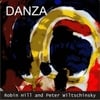







 Posts
Posts